BLOG
What is the Difference Between SIL and SDA | A Clear Guide by CareX Australia
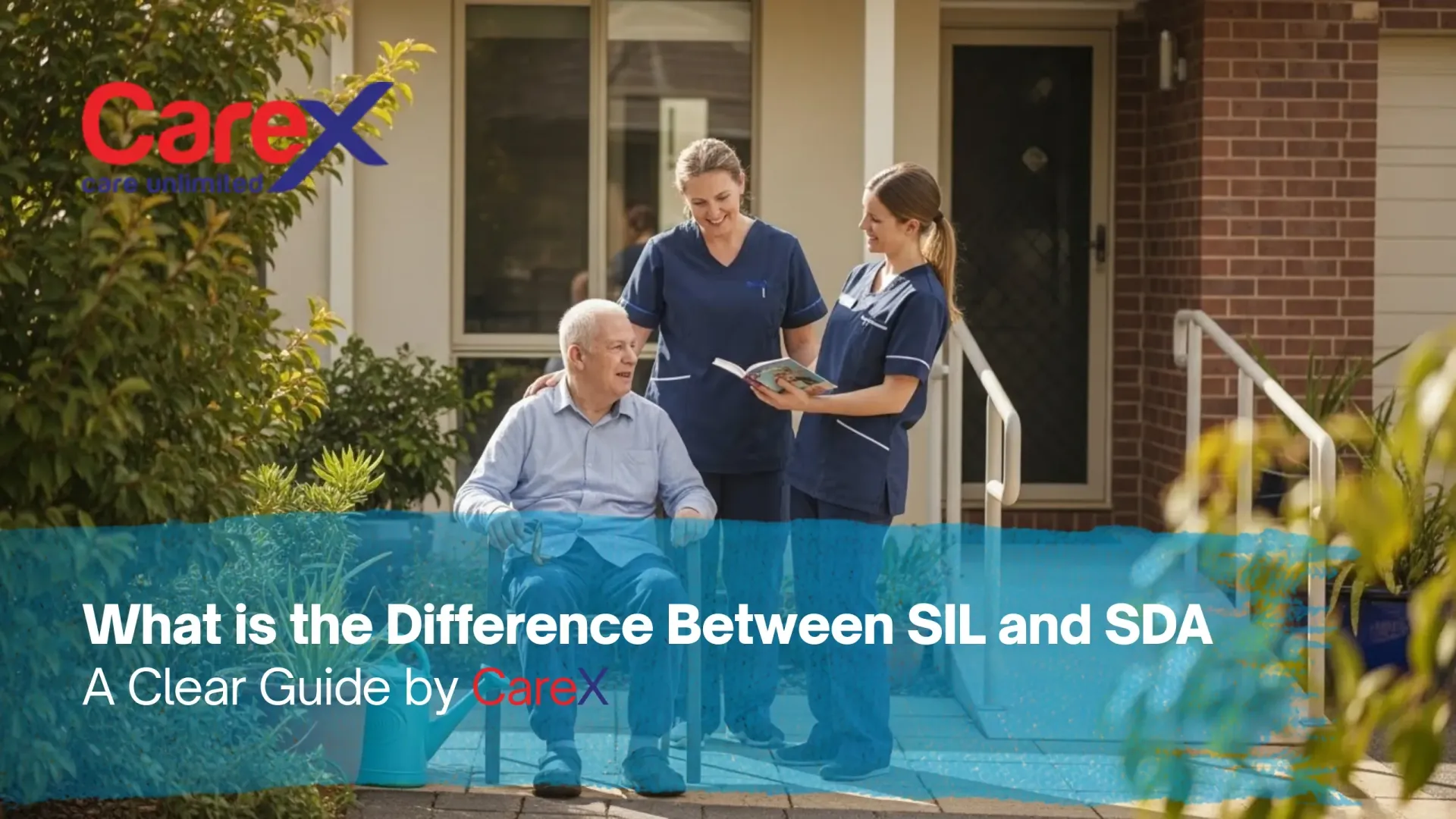
Choosing the right NDIS supported living option is one of the most important decisions you will make as a participant — especially when it comes to creating a life that is independent, safe, and empowering. Two of the most common supports under the National Disability Insurance Scheme (NDIS) are Supported Independent Living (SIL) and Specialist Disability Accommodation (SDA).
At CareX, we are committed to making these choices easier for you, whether you are in Western Sydney or anywhere across Australia.
What Is Supported Independent Living (SIL)?
Supported Independent Living (SIL) refers to the support services that help people with disability to live as independently as possible. SIL is not a type of housing — it is the daily support provided inside your home, whether that is shared with others or in your own private space.
What SIL Covers
SIL services are funded by the NDIS and are designed to assist with:
- Help with personal care (e.g., showering, dressing)
- Daily household tasks (cleaning, meal preparation)
- Medication administration
- Social and community access
- Transport and appointments
- Building independent living skills
What SIL Does Not Cover
SIL does not pay for accommodation costs, such as:
- Rent or mortgage
- Utility bills
- Groceries or living expenses
These costs are separate and may be managed through other supports like Commonwealth Rental Assistance or DSP in agreement with your service provider.
SIL in Practice
At CareX, our Supported Independent Living services are personalised to your lifestyle and goals. We help you stay connected to your community, build life skills, and live as independently as possible — whether you are in your own home or shared accommodation.
What Is Specialist Disability Accommodation (SDA)?
Specialist Disability Accommodation (SDA) is housing that has been specially designed or modified for participants with significant functional impairment or very high support needs. SDA funding pays for the home itself, not the support services.
Who SDA Is For
SDA is intended for people who have high physical support needs that make living in mainstream housing unsafe or unsuitable. These homes are custom-built for accessibility, long-term comfort, and safety.
What SDA Includes
SDA homes may feature:
- Wheelchair-accessible doorways and bathrooms
- Assistive technology and adaptive design features
- Height-adjustable surfaces and supports
- Smart accessibility systems
However, like SIL, daily support services are not included in SDA — they are funded separately under SIL or other parts of your NDIS plan.
Key Differences: SIL vs SDA
SIL (Supported Independent Living)
- Funds support workers and daily support services
- Focuses on help with everyday living tasks
- Designed for participants who need assistance with daily activities
- Does not cover living costs
- Support is included under SIL funding
SDA (Specialist Disability Accommodation)
- Funds the physical accommodation (design, build, accessibility features)
- Focuses on specialist, accessible housing
- Designed for participants who require specialised housing
- Does not cover living costs
- Support is not included (separate SIL funding is required)
These distinctions help you choose what is right for your lifestyle, independence level, and support requirements.
Why This Matters in Australia
Across Australia, more than 600,000 people are supported by the NDIS, and the demand for Specialist Disability Accommodation is rising. It is estimated that around 24,500 participants currently have SDA funding, with over 14,600 already living in SDA homes and many others still seeking suitable accommodation — especially in regions like New South Wales where demand is highest.
Understanding the difference between SIL and SDA is not just terminology — it is about making informed decisions that affect your quality of life, independence, and daily wellbeing.
Which Option Is Right for You?
Here are some questions to help you decide:
✔ Do you need daily support throughout your day and night?
➡ Likely
SIL.
✔ Do you require a purpose-built home with specialized accessibility features?
➡
SDA may be the better fit.
✔ Do you want to remain in your own private home with flexible support?
➡
SIL supports can help you achieve that.
Often, participants use both SIL and SDA together — SDA provides the accessible home, and SIL funds the support workers who help you live your life independently within that home.
CareX Helps You Navigate Your Choices
At CareX, our team helps you understand and navigate your NDIS housing and support options, including:
- NDIS Supported Independent Living
- Specialist Disability Accommodation plans
- Ongoing community and lifestyle support
We serve families and participants across Western Sydney and Australia, providing compassionate, person-centred care that helps you reach your goals.
👉 Ready to explore your next home? Visit CareX Australia to learn more or talk with our friendly team.
👉 Interested in supportive living options? See our Supported Independent Living services.
Final Thought
Understanding the difference between SIL and SDA can feel overwhelming — but with the right guidance, planning, and support, you can make choices that enhance your independence, health, and quality of life under the NDIS.
CareX is here to help you every step of the way.