BLOG
Why High Intensity Support Training Matters in Everyday Care
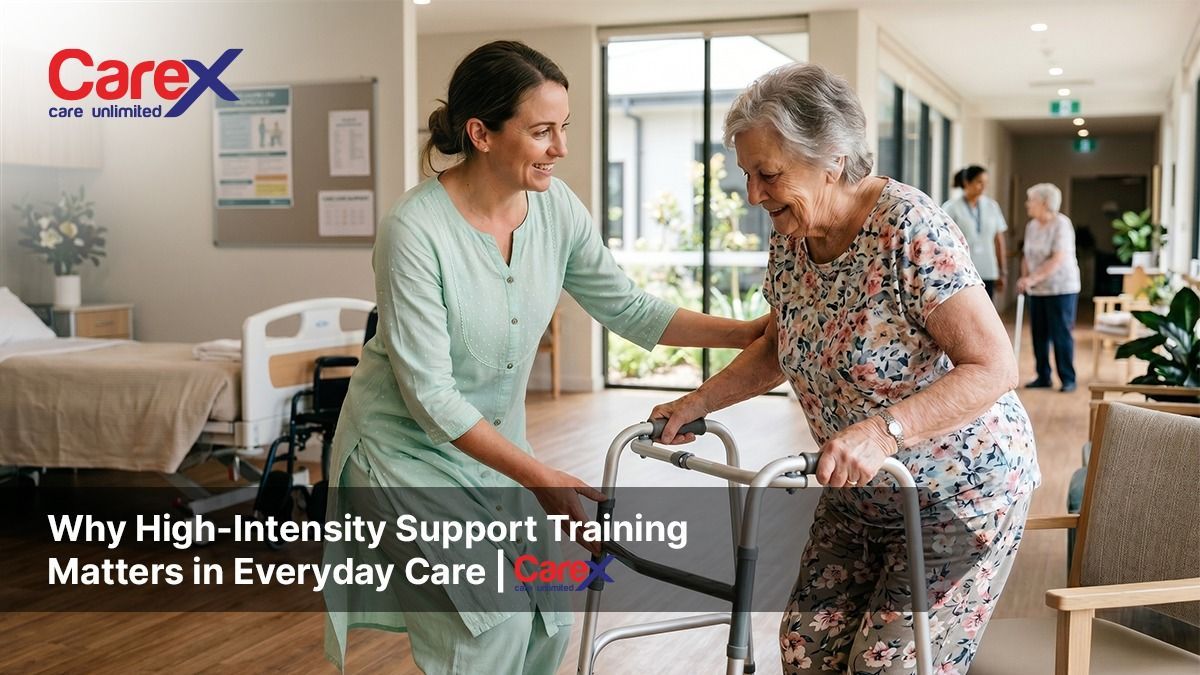
When someone has complex health needs, everyday support is never just routine care. It often involves clinical tasks that need careful attention, skill, and confidence. This is where high-intensity support plays an important role.
For many families, understanding what this type of care involves can feel overwhelming at first. With the right training and the right support workers, it becomes safer, more structured, and focused on maintaining dignity and independence.
CareX Australia provides high-intensity support that is guided by proper training and person-centred care, helping participants feel safe and supported in their own home and community.
What High Intensity Support Really Means
High intensity support refers to daily personal care for people who have more complex health requirements. These supports can involve medical or clinical tasks that must be carried out correctly every time.
It may include care such as:
- Feeding through a tube
- Diabetes management and insulin support
- Tracheostomy care
- Complex bowel care
- Wound and pressure care
- Support with medical equipment like hoists or catheters
These are not basic care tasks. They require carers who understand both the person and the health risks involved.
Why Specialised Training Is So Important
Reducing health risks through safe care
High-intensity support tasks carry real health risks if they are not done correctly. Even small mistakes can lead to complications such as infection, breathing difficulties, or other medical emergencies. Proper training helps reduce these risks and keeps the person safe.
Building confidence with medical equipment
Support workers often assist with equipment that must be handled carefully. This includes feeding systems, mobility aids, and continence care tools. Training ensures carers know how to use everything safely and hygienically.
Responding quickly when things change
Health needs can change suddenly. Trained carers are better prepared to notice early warning signs and respond quickly if someone becomes unwell. This can make a significant difference in urgent situations.
Following individual care plans correctly
Every person has their own care plan based on their needs and goals. Training helps carers follow these plans accurately, document care properly, and communicate clearly with health professionals and families.
Common High-Intensity Support Tasks Explained Simply
Enteral feeding support
This involves providing nutrition through a feeding tube. Training ensures it is done safely to reduce risks such as choking or aspiration.
Complex bowel care
This type of support requires careful technique and respect for privacy, while also maintaining health and comfort.
Tracheostomy care
Carers must understand how to keep airways clear and clean, reducing the risk of blockage or infection.
Diabetes support
This includes monitoring blood sugar levels and assisting with insulin as prescribed, with close attention to timing and dosage.
Pressure care
Regular repositioning and skin checks help prevent pressure injuries and maintain comfort.
The Benefits of Well-Trained High-Intensity Support
When high-intensity care is delivered properly, it creates real improvements in daily life:
- Greater safety and reduced medical risk
- More comfort and dignity in personal care
- Stronger independence at home
- Better health monitoring and early intervention
- Peace of mind for families and carers
It is not only about completing tasks. It is about supporting a better quality of life respectfully and consistently.
How CareX Australia Supports High-Intensity Care
CareX Australia provides high-intensity support that focuses on both safety and personal choice. Our approach is centred around the individual, not just their care needs.
Our support workers are trained to:
- Deliver complex care safely and respectfully
- Follow each participant’s unique care plan
- Work closely with families and health professionals
- Support independence wherever possible
- Provide calm and consistent care in the home
We understand that every person’s situation is different. That is why support is shaped around personal goals, routines, and comfort.
Final Thoughts
High-intensity support is a vital part of care for people living with complex health needs. When delivered by trained and understanding support workers, it helps people live more safely and independently in their own homes.
With CareX Australia, participants receive care that is not only clinically informed but also respectful, steady, and focused on everyday wellbeing.
FAQS
What is high-intensity support in the NDIS?
High-intensity support is specialised daily care for people with complex health needs. It includes clinical tasks that require trained support workers to ensure safety and proper care.
Why do support workers need training for high-intensity care?
Training is essential because these tasks can involve medical risks. Proper training helps prevent complications and ensures care is delivered safely and correctly.
What kind of tasks are included in high-intensity support?
It can include tube feeding, tracheostomy care, diabetes support, pressure care, and help with medical equipment like hoists and catheters.
Can high intensity support be provided at home?
Yes, high-intensity support can be delivered at home. CareX Australia provides in-home support that allows people to stay comfortable and independent in familiar surroundings.
How does high intensity support improve quality of life?
It helps people stay safe, reduces health risks, and supports independence. It also gives families peace of mind knowing care is delivered properly and consistently.