BLOG
Understanding Individual Living Options (ILO) and How They Support Independent Living
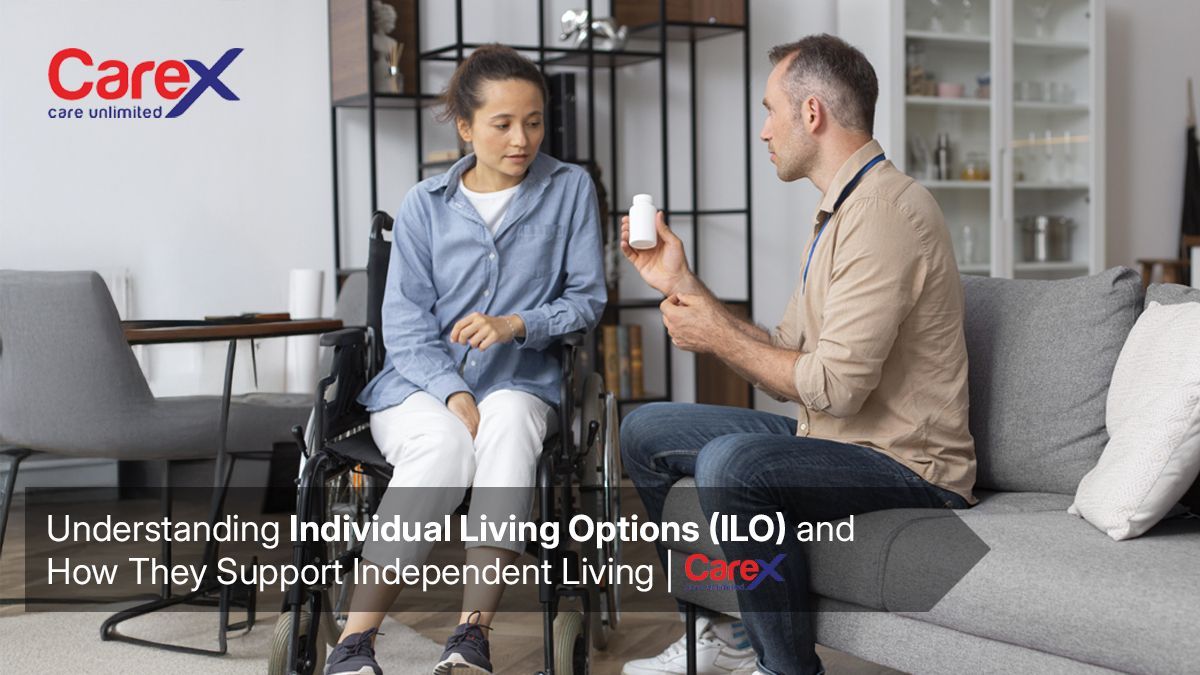
For many people living with disability, having the freedom to choose where and how they live is an important part of independence. Individual Living Options (ILO) is a NDIS support designed to help participants create flexible living arrangements that match their personal goals, lifestyle and support needs.
Rather than following a one-size-fits-all housing model, ILO focuses on personalised living solutions that allow participants to maintain independence while still receiving the assistance they require.
Across Australia, this approach is helping many individuals build meaningful lives within their communities while remaining in control of their living arrangements.
What Are Individual Living Options?
Individual Living Options are a type of NDIS support that helps participants design a living arrangement suited to their preferences and daily needs.
ILO does not refer to a specific house or accommodation type. Instead, it focuses on creating a customised support arrangement that helps someone live in a place that works best for them.
This may include living:
- alone with support
- with a partner or family member
- with a host family
- with friends or other participants
- in a shared home with personalised support
The goal is to give participants greater choice and flexibility while ensuring the right support systems are in place.
Key Benefits of Individual Living Options
Greater Independence
One of the biggest advantages of Individual Living Options is the ability for participants to take greater control of their daily lives.
Participants can make decisions about where they live, who they live with and what type of support they receive. This level of choice encourages independence and helps individuals build confidence in managing everyday activities.
Improved Quality of Life
Living in an environment that reflects personal preferences can significantly improve overall wellbeing.
When individuals can structure their living arrangements around their goals and routines, they often experience greater satisfaction, increased confidence and a stronger sense of personal identity.
ILO arrangements are designed to support both practical needs and emotional wellbeing.
Stronger Community Connections
Another important benefit of ILO is the opportunity to remain connected to the wider community.
Participants are encouraged to engage with local activities, maintain friendships and build meaningful relationships. These connections can reduce feelings of isolation and create opportunities for social participation.
Being part of a community plays an important role in improving overall quality of life.
Personalised Support Services
ILO provides flexible support tailored to the participant’s needs. Support workers can assist with daily tasks while encouraging skill development and independence.
Depending on the individual’s situation, support may include:
- personal care assistance
- household tasks
- transport support
- help with appointments
- skill development for daily living
- community participation support
This personalised approach ensures participants receive the assistance they need while maintaining control over their lives.
How Individual Living Options Work
ILO arrangements are built through a planning process that focuses on the participant’s goals, strengths and support requirements.
The process generally involves:
- Exploring preferred living arrangements
- Identifying support needs and daily routines
- Creating a personalised support plan
- Implementing the living arrangement with appropriate assistance
Participants work closely with their support team to ensure the arrangement suits their lifestyle and promotes independence.
The aim is to create a long-term living environment where the participant feels comfortable, safe and supported.
Understanding the Difference Between ILO and Supported Independent Living
While both Individual Living Options and Supported Independent Living are designed to help people live more independently, they operate differently.
Supported Independent Living generally provides structured support in shared homes with rostered staff assistance.
Individual Living Options focus on flexibility and personal choice, allowing participants to design a living arrangement that reflects their own preferences and lifestyle.
The level of support, living arrangement and daily structure can be tailored specifically to the individual.
Accessing ILO Support Through the NDIS
Individual Living Options may be funded through a NDIS plan for eligible participants.
To access this support, participants usually work with their planning team to explore housing goals and determine whether ILO is a suitable option.
The process typically includes:
- exploring preferred living arrangements
- assessing support needs
- developing a personalised support plan
- implementing the agreed living arrangement
Once approved, the funding supports both planning and ongoing assistance needed to maintain the arrangement.
Living Alone with ILO
Some participants choose to live independently while receiving support through Individual Living Options.
Living alone may be possible depending on factors such as the participant’s independence level, daily support needs and available services.
When appropriate supports are in place, this arrangement can allow individuals to enjoy privacy and independence while still receiving the assistance required for safety and wellbeing.
Supporting Independent Living with CareX Australia
For individuals exploring Individual Living Options, having the right support provider can make a significant difference in creating a safe and sustainable living arrangement.
CareX Australia provides person-centred disability support services designed to help NDIS participants live with greater independence and confidence. Based in Western Sydney, CareX Australia works closely with participants to develop tailored support plans that align with their personal goals and lifestyle preferences.
Through flexible and respectful support services, participants can build independence while remaining connected to their communities.
Frequently Asked Questions
What are Individual Living Options under the NDIS?
Individual Living Options are NDIS supports that help participants design personalised living arrangements. These arrangements focus on independence, choice and flexible support based on the participant’s needs.
Who can access Individual Living Options?
ILO may be available to eligible NDIS participants who want support to explore and maintain a living arrangement that promotes independence and wellbeing.
Can someone live alone with Individual Living Options?
Yes. Some participants choose to live alone with appropriate supports in place. The arrangement depends on individual needs, safety considerations and the level of assistance required.
What types of support can be included in ILO?
ILO supports may include personal care assistance, help with daily living tasks, skill development, community participation and household support.
How is ILO different from Supported Independent Living?
Supported Independent Living usually involves structured support in shared accommodation, while Individual Living Options provide greater flexibility and allow participants to design their own living arrangements.
Quick Contact - CareX Australia
CareX Australia provides high-quality, person-centred support services for individuals living with disability.
As a trusted NDIS provider, CareX Australia focuses on empowering participants to live independently through tailored supports that align with their personal goals, values and daily needs.
Address: 9 Manchuria Rd, Edmondson Park NSW 2174
Phone: 1800 957 946
Email: admin@carexaustralia.com.au