BLOG
Shared Living vs Living Alone: Choosing the Right Arrangement Under the NDIS

Choosing where and how you live is one of the biggest decisions you'll make as an NDIS participant. For some people, sharing a home with others brings companionship, support, and a sense of community. For others, living alone offers independence, privacy, and control over daily routines. Neither option is right or wrong. It comes down to your goals, your support needs, and what helps you live the life you want.
This guide breaks down what shared living and living alone actually look like under the NDIS, so you can weigh up the two arrangements with a clearer picture.
Quick Answer
Shared living systems like SIL suits NDIS participants who want daily support, on-site safety, and built-in social connection from housemates. Living alone suits participants who want full independence and control over their routine, with support delivered through scheduled in-home visits or an Individualised Living Option (ILO).
What Does Shared Living Look Like Under the NDIS?
Shared living, often delivered through
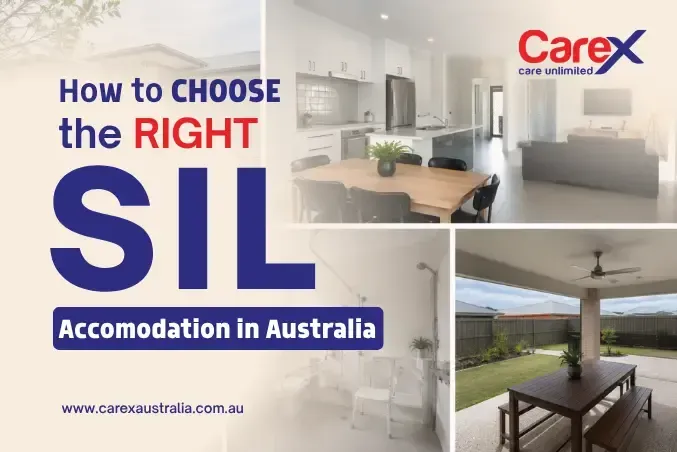
Supported Independent Living (SIL), means living with housemates in a shared home while receiving support with daily tasks. This can include help with cooking, cleaning, personal care, and building everyday life skills. Homes are typically set up for two to five participants, with support workers on-site or available as needed, depending on each person's plan. Shared living arrangements are usually funded through Core Supports in an NDIS plan, and the level of support is matched to what each participant requires.
For many participants, shared living also opens the door to informal social connection. Living alongside housemates, even without organised activities, can reduce isolation and create a built-in support network.
What Does Living Alone Look Like Under the NDIS?
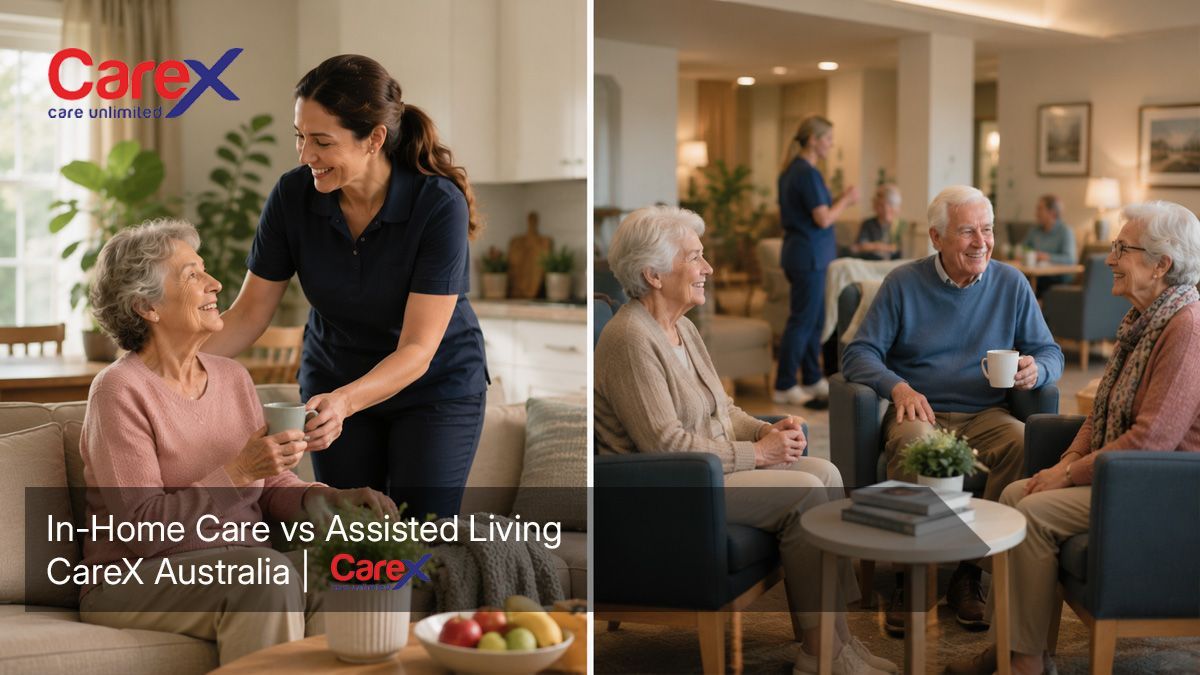
Living alone under the NDIS doesn't mean going without support. Participants can live independently in their own home or unit while still receiving in-home assistance, whether that's a few hours a week or more intensive daily support.
This arrangement is often supported through
In-Home Support services, where a worker visits to assist with tasks like meal preparation, household chores, or personal care, and then leaves once the support session is complete. For participants who are more independent, an
Individualised Living Option (ILO) can be tailored around specific living goals, whether that's living solo, with a flatmate of your choosing, or close to family.
Living alone gives participants full control over their space, routine, and daily decisions, without needing to accommodate housemates.
What is the benefit of ILO?
Individualised Living Options (ILO) can get confused with both shared living and living alone, because it doesn't fit neatly into either category. Unlike SIL, ILO isn't tied to a shared home model, and unlike a standard "living alone" setup, it isn't limited to solo
living either.
ILO funds a personalised support package built around an individual, which can include living alone with drop-in support, living with chosen housemates, living with family, or living with a host. What makes it different from SIL is that support is often a mix of paid workers and informal support, such as a housemate or host who isn't a disability support worker. Participants cannot be funded for both SIL and ILO at the same time, though they can transition between the two if their needs change.
For participants weighing up shared living against living alone, ILO is worth discussing with a Support Coordinator as a third path that can combine elements of both.
Comparing Shared Living and Living Alone
| Consideration | Shared Living (SIL) | Living Alone |
|---|---|---|
| Cost and funding | Support costs are often split across housemates, particularly for overnight or high-intensity support, which can make it more cost- effective within a plan for participants needing substantial daily assistance. | Support funding is used solely for one person, so a higher proportion of Core Supports funding may go toward one-on- one assistance rather than shared support hours. |
| Independence and daily routine | Daily tasks such as cooking, chores, and support scheduling are often arranged around a household routine, which some participants find helpful while building independent living skills. | Participants set their own schedule entirely, from meal times to when support visits happen, with no need to coordinate around housemates. |
| Social connection and support | Naturally creates day-to-day social interaction with housemates, which can be a meaningful benefit for participants who value companionship or are building social skills. | Social connection can still be built through Community Participation supports or Psychosocial Support, but it requires more active planning than the built-in interaction of a shared household. |
| Safety and supervision | On-site support workers can provide overnight support, active monitoring, and assistance in an emergency, offering added safety and peace of mind. | Participants with lower support needs may only require scheduled visits, so it's worth considering how emergencies would be managed without someone on-site. |
Building Skills and Long-Term Goals
Living arrangements aren't just about day-to-day logistics. They can also play a role in progressing toward longer-term NDIS goals.
Shared living environments give participants regular, hands-on opportunities to practise skills like meal planning, budgeting for shared expenses, and communicating with housemates, often with a support worker on hand to guide the process. For participants
working toward greater independence over time, this structured setting can be a stepping stone rather than a permanent arrangement.
Living alone can suit participants who have already built strong daily living skills and are ready to apply them without the same level of on-site guidance. It can also work well for participants focused on goals outside the home, such as employment or study, where a
predictable, self-directed routine is a priority. As with any living arrangement, goals set out in an NDIS plan should guide which setup makes the most sense at a given stage.
Which Arrangement Suits You? Questions to Ask Yourself
- How much day-to-day support do I need with tasks like cooking, cleaning, and personal care?
- Do I want the flexibility to make daily decisions without coordinating with housemates?
- Would living with others help me build skills, confidence, or social connection?
- What does my current NDIS plan allocate for Core Supports, and how far would that funding stretch in each arrangement?
- Do I need overnight or emergency support available on-site?
There's no single answer that fits everyone. Some participants transition between the two arrangements as their goals or support needs change over time, and that's a normal part of planning a living arrangement that works.
How CareX Australia Supports Both Options
CareX Australia provides support across both shared living and independent living arrangements, so participants aren't locked into one model. This includes SIL homes with tailored support rosters, In-Home Support for participants living independently, and
Individualised Living Options for those who want a living setup built around their specific goals. Support Coordinators at CareX can also help participants work through funding, vacancy options, and what each arrangement would look like in practice, based on individual NDIS plans.
Final Thoughts
Shared living and living alone are both valid, fully supported arrangements under the NDIS. Shared living (SIL) suits participants who want daily support, on-site safety, and everyday social connection with housemates. Living alone suits participants who want
independence and control over their routine, supported through in-home visits or an Individualised Living Option. Cost, support needs, and personal goals should guide the decision, and participants can move between the two arrangements as their NDIS plan evolves. Speaking with a Support Coordinator or a registered NDIS provider is the most reliable way to match an arrangement to an individual's plan and goals. If you have any questions regarding shared or independent living options, contact CareX today.