BLOG
Types of Disability Housing Under the NDIS: SDA, SIL, STA & MTA
Explained
Quick Answer
- SDA (Specialist Disability Accommodation) is purpose-built housing for people with very high support needs.
- SIL (Supported Independent Living) funds the support you receive at home, not the home itself.
- STA/STR (Short Term Accommodation) now also called short term respite by the NDIS, covers short stays away from home, often to give carers a break.
- MTA (Medium Term Accommodation) is temporary housing, usually funded for up to 90 days, for participants between homes while long term accommodation is arranged.
What Is NDIS Disability Housing?
The National Disability Insurance Scheme funds several distinct housing and support categories for participants with extreme functional impairment or very high support needs. Each type of housing solves a different problem: where you live, what support you receive there, and how you get through short term gaps or transitions. SDA, SIL, STA and MTA are often used interchangeably in everyday conversation, but they fund very different things. Getting this right matters, because it shapes what you can request in your plan and what a
registered NDIS provider can help you access. Below, we break down each option in plain language, how they compare, and how they
can work together.
Specialist Disability Accommodation (SDA)
SDA refers to purpose-built or specially modified homes for participants with significant functional impairment or very high support needs. It relates to the physical dwelling itself, its accessibility features, design and location, rather than the day-to-day support
delivered inside it. An SDA property might include wider doorways, ceiling hoists, reinforced walls, sensory-safe spaces or emergency backup power, depending on the participant's needs. Full eligibility criteria are on the
NDIS specialist disability accommodation page.
SDA Design Categories
SDA housing is built to one of four recognised design standards:
- Improved Liveability, enhanced physical access and sensory features
- Robust, durable, resilient housing for participants who may be at risk of harming property
- Fully Accessible, homes designed for wheelchair users and people with significant physical disability
- High Physical Support, homes for participants with the highest physical support needs, often including assistive technology and 24/7 access for carers
Who Is SDA Suited To
SDA is generally suited to participants with complex physical, sensory, cognitive or psychosocial disability who need specialised housing features that standard rental or community housing can't provide. Eligibility is assessed during NDIS planning, and it's reserved for those with significant, ongoing support needs. CareX Australia can help you check current
accommodation vacancies across NSW.
Supported Independent Living (SIL)
SIL is NDIS-funded
support, not housing. It helps participants live more independently by assisting with everyday activities such as personal care, cooking, cleaning, medication management, community access and building daily living skills. Support can be delivered on-site around the clock or on-call throughout the day, and the intensity of support is tailored to each participant's individual needs rather than applied as a blanket service. The
NDIS guide to SIL explains exactly what this funding can and can't cover.
SIL vs SDA, What's the Difference?
This is one of the most common points of confusion. SDA is the home; SIL is the support delivered inside that home, or in fact, inside any home. The two often work together, with a participant living in an SDA-designed property while also receiving SIL support, but SIL support can equally be delivered in standard community housing where no specialist building modifications are required.
Who Benefits From SIL?
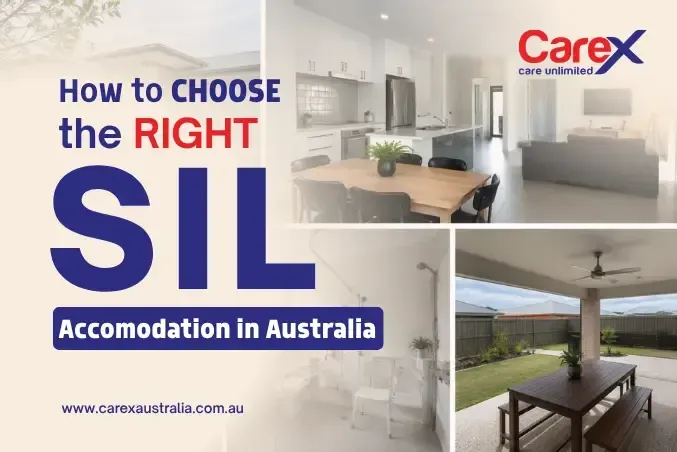
SIL tends to suit people who need regular, ongoing support with daily living, want to build independent living skills, or prefer a shared living arrangement where housemate compatibility is carefully considered. Because SIL funding follows the person rather than the property, it can flex as goals and needs change. Learn more in our guide on choosing the right SIL home.
Short Term Accommodation (STA) & Respite Care
STA provides temporary accommodation and support away from a participant's usual home, from an overnight stay to a short break of a few days, depending on circumstances and available funding. It's flexible rather than a fixed housing solution, and can be used one-off or recurring throughout the year.
What Is Respite Care?
Respite is closely linked to STA and gives family members and carers time to rest, manage other responsibilities, or take a break from their usual caring role. Support during respite can include personal care, daily activities, meals and medication routines, delivered in a different environment to the participant's usual home. Overnight respite is common, but shorter day-based respite is also available. Read our full guide on what short term respite care involves or explore CareX's respite care support service.
When Is STA Useful?
STA and respite are typically used to provide a short break from routine, allow a participant to trial a different living environment before committing to a bigger change, or give a carer temporary relief so they can attend to other parts of their life without added strain.
Medium Term Accommodation (MTA)
What Is MTA?
MTA is temporary housing, generally available for up to around 90 days, for participants who need somewhere to live while their long term home, such as an SDA property or a modified private rental, is being arranged, built or adapted. Unlike SIL, MTA funding accommodation costs during that bridging period rather than ongoing daily support, though reasonable support can still be arranged alongside it. Full eligibility details are on the NDIS medium term accommodation page.
When Is MTA Used?
MTA commonly comes into play when a participant is waiting for an SDA property to become available, is recovering from a hospital stay before returning to a permanent home, or needs to bridge the gap between one property and another. It's a short term stopgap, not a long term living arrangement.
MTA vs STA, What's the Difference?
The line between STA and MTA often confuses families, but it comes down to duration and purpose. STA is for short, often recurring stays measured in days, usually tied to respite. MTA is a longer, typically one-off bridging period measured in weeks to a few months, used while a permanent housing solution is finalised.
Comparing SDA, SIL, STA and MTA
The table below summarises how each category differs at a glance:
| Type | What It Covers | Typical Duration | Best For |
|---|---|---|---|
| SDA | The physical home/build | Long term | Very high or complex support needs |
| SIL | Daily living support | Ongoing | Building independence, daily assistance |
| STA | Short stays + respite | Hours to days | Carer breaks, trial stays |
| MTA | Temporary housing | Up to around 90 days | Bridging to permanent housing |
These categories aren't mutually exclusive. A single participant's journey might include SIL support in a community home, a period of MTA while waiting on an SDA build, occasional STA and respite stays, and eventually a move into a fully accessible SDA
property, all coordinated through the one NDIS plan. You can do a comparison between shared living and individual accommodation settings, and you can decide what's best for you.
How CareX Australia Helps You Choose
As a registered NDIS provider across NSW, CareX Australia helps participants and families explore SDA, SIL, STA, MTA and individualised Living Options side by side, rather than a one-size-fits-all placement. Our team takes the time to understand your lifestyle, independence level, accessibility needs, location preferences and personal goals before recommending an accommodation pathway.
Our support coordination team can also help you navigate your plan and connect with the right funding category.
Conclusion
SDA, SIL, STA and MTA each solve a different housing challenge: the
type of home, the support inside it, a
short stay away from home, or a
temporary bridge to somewhere permanent. Understanding the difference makes it easier to ask for the right supports in your NDIS plan and avoid gaps in your accommodation journey. Most participants use a combination of these options as their needs and circumstances evolve, and a provider who understands how they connect makes that journey smoother.
Check our current
accommodation vacancies, or
contact our team today to discuss the right fit for you.