BLOG
What Is Supported Independent Living (SIL) and Is It Right for You?
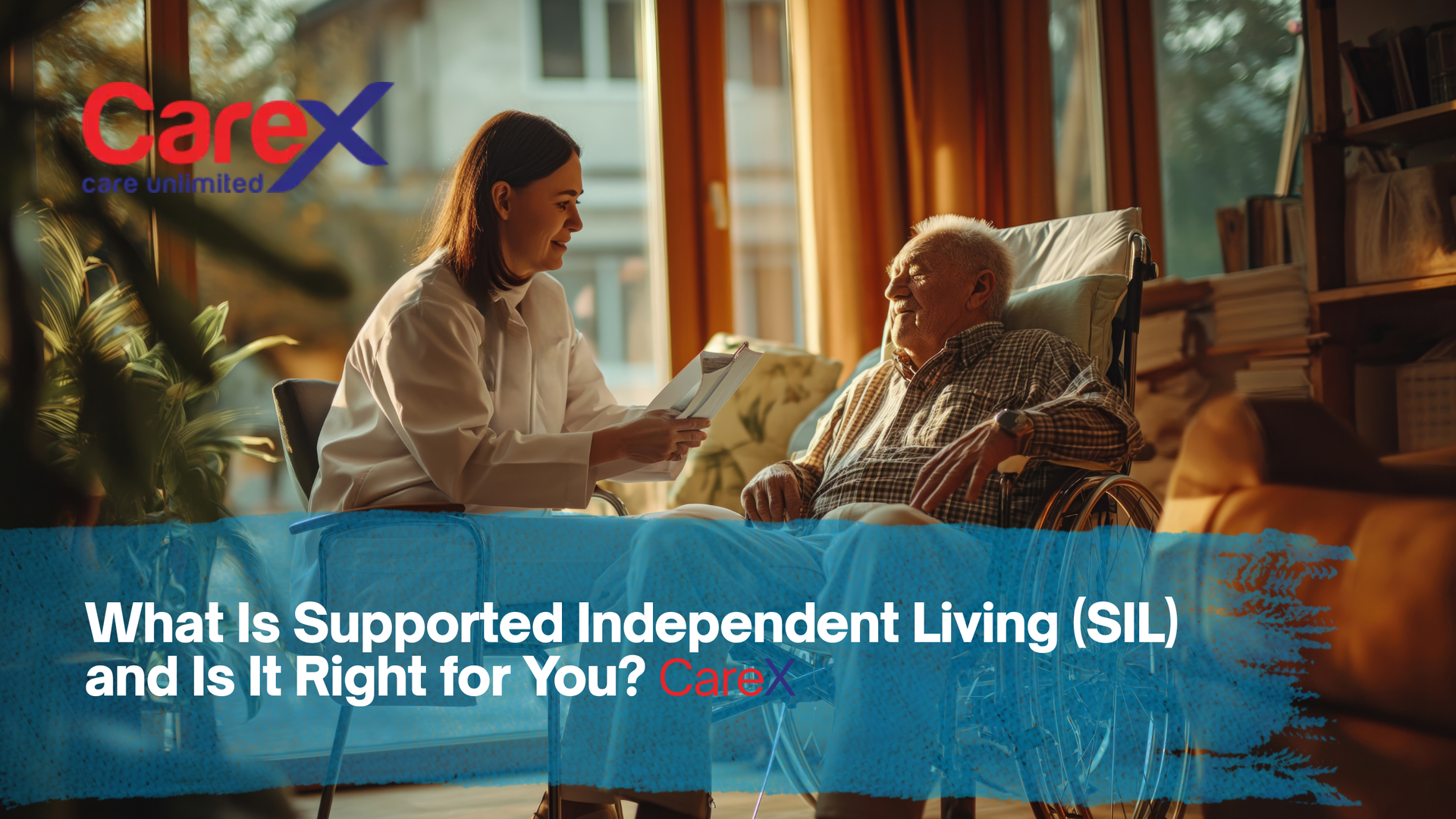
Choosing to live more independently is an important step. For people living with disability, having the right support can make that transition feel safer, more empowering, and more achievable. Supported Independent Living (SIL) is one of the NDIS-funded options designed to help individuals live independently while still receiving the assistance they need.
If you’re exploring SIL for yourself or someone you care for, understanding how it works and whether it suits your circumstances is essential. This guide explains what Supported Independent Living is, who it’s for, and how it can support a more independent and fulfilling life.
What Is Supported Independent Living (SIL)?
Supported Independent Living (SIL) is a type of funded support under the National Disability Insurance Scheme (NDIS). It is designed for people who need regular assistance with everyday activities while living in a shared home environment.
Rather than focusing on where you live, SIL focuses on how you are supported in your daily life. The aim is to help participants build independence, confidence, and life skills, while ensuring help is available when needed.
SIL support may include assistance with:
- Personal care and daily routines
- Meal preparation and household tasks
- Medication reminders
- Developing life and social skills
- Managing appointments and daily schedules
Importantly, SIL supports are tailored to each person. You continue to make your own choices about how you live, while receiving support that aligns with your needs and goals.
Who Is Supported Independent Living Designed For?
SIL may be suitable if you:
- Want to move out of the family home and live more independently
- Find it difficult to manage daily tasks without support
- Are transitioning from another care setting into the community
- Require shared support throughout the day or night
Support levels vary from person to person. Some participants may need 24-hour assistance, while others may only need support at specific times. SIL funding is based on individual needs and what is considered reasonable and necessary under the NDIS.
What Is Daily Life Like in SIL?
Living in Supported Independent Living usually involves sharing a home with other NDIS participants. Each person has their own private space, while common areas such as kitchens and living rooms are shared.
Daily life in SIL is designed to feel like a real home. You may choose to cook together, take part in community activities, or enjoy your own space when you prefer. Support workers are present to assist with daily tasks, encourage skill-building, and promote independence.
Over time, many participants develop greater confidence and take on more tasks independently, supported at their own pace. A key part of successful SIL is feeling comfortable, respected, and safe in your living environment.
At CareX Australia, careful consideration is given to matching housemates based not only on support needs, but also on compatibility and lifestyle preferences.
How Is SIL Different from Other NDIS Housing Supports?
SIL is often confused with other NDIS housing-related supports, particularly Specialist Disability Accommodation (SDA). Understanding the difference can help you make informed decisions.
- SIL refers to the support services you receive to help with daily living
- SDA refers to the physical property designed for people with high support needs
Some participants may be eligible for both, while others may only require SIL supports in a standard shared home. There are also other options, such as Short Term Accommodation (STA) or Individual Living Options (ILO), which may suit people with different levels of independence.
Reliable guidance can help you understand which option aligns best with your goals and NDIS plan. The official NDIS website provides further information on SIL eligibility and funding criteria .
Benefits of Supported Independent Living
Supported Independent Living offers more than just daily assistance. When delivered in a person-centred way, SIL can support long-term wellbeing and independence.
Key benefits include:
- Greater independence while still having support available
- Opportunities to build life and social skills
- Increased confidence in managing daily routines
- A safe and supportive home environment
- Choice and control over how you live
SIL is not about limiting independence—it is about enabling it through the right level of support.
Is Supported Independent Living Right for You?
Deciding whether SIL is the right option depends on your personal circumstances, goals, and support needs. It can help to reflect on questions such as:
- Do I need daily assistance to feel safe and confident at home?
- Would shared living suit my lifestyle and preferences?
- What level of support aligns with my NDIS goals?
SIL is not a one-size-fits-all solution. The right support arrangement is one that respects your choices and supports your independence.
How CareX Australia Supports SIL Participants
At CareX Australia, we believe that everyone deserves support that respects their individuality, culture, and goals. As a registered NDIS provider, we deliver person-centred Supported Independent Living services designed to empower participants to live life their way.
Our approach focuses on:
- Tailored support plans aligned with personal goals
- Compassionate, qualified, and culturally inclusive staff
- Clear communication with families and support coordinators
- Flexible support that evolves as needs change
With CareX Australia, SIL is about more than shared living—it’s about building independence, confidence, and quality of life.
Frequently Asked Questions (FAQs)
Is SIL funded by the NDIS?
Yes. SIL may be funded by the NDIS if it is considered reasonable and necessary based on your support needs.
Do I have to share a home in SIL?
SIL is most commonly delivered in shared living arrangements, but supports are always personalised.
Can I choose my SIL provider?
Yes. Participants have choice and control over their providers, including who delivers SIL supports.
How do I know if I’m eligible for SIL?
Eligibility depends on your individual needs and NDIS plan. An NDIS planner or support coordinator can help assess suitability.
Final Thoughts
Supported Independent Living can be a powerful step toward greater independence when the right support is in place. By understanding how SIL works and exploring your options carefully, you can make informed choices that support your long-term wellbeing.
If you’re considering SIL or want guidance on your next steps, CareX Australia is here to help—supporting you with respect, compassion, and a genuine commitment to your independence.
External References
- National Disability Insurance Scheme – Supported Independent Living overview
- Australian Government – Disability and community living resources