BLOG
Supported Independent Living: Key Benefits for People with Disability in Australia
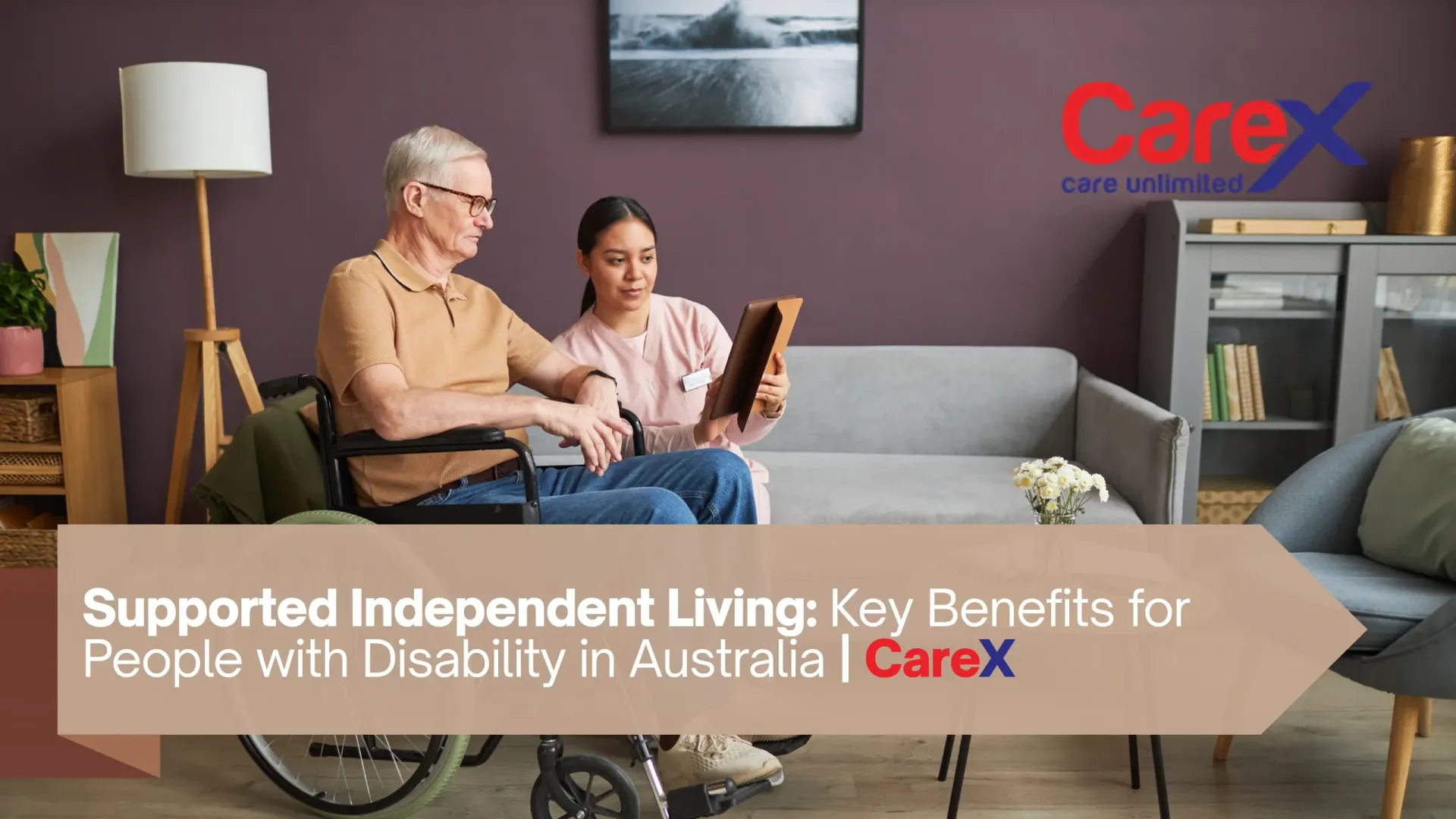
Supported Independent Living plays a vital role in helping people with disability live with dignity, confidence, and greater independence. In Australia, millions of individuals rely on structured supports that allow them to manage everyday life while remaining connected to their communities.
Supported Independent Living (SIL) is one of the most important NDIS-funded supports, offering the right balance between personal freedom and ongoing assistance. But what makes SIL so valuable, and how does it genuinely improve quality of life?
This guide explains the real benefits of Supported Independent Living, who it’s for, and how it supports long-term independence.
What Is Supported Independent Living?
Supported Independent Living is an NDIS-funded support designed for people with disability who need regular assistance to live independently. SIL usually involves shared accommodation, though individual arrangements may vary based on support needs.
Support can include:
- Assistance with personal care
- Help with cooking, cleaning, and household tasks
- Medication support
- Developing daily living skills
- Community access and social participation
The goal of Supported Independent Living is not to take over, but to empower individuals to live life on their own terms with the right level of support.
You can learn more about SIL funding and eligibility through the official NDIS website:
👉
https://www.ndis.gov.au
Benefits of Supported Independent Living
1. Greater Independence and Personal Control
One of the most important benefits of Supported Independent Living is the ability for individuals to take control of their own lives while receiving appropriate support.
Tailored Support Plans
SIL support is personalised. Each participant receives assistance based on their goals, preferences, and abilities. This ensures support enhances independence rather than limiting it.
Building Everyday Life Skills
Participants develop practical skills such as:
- Preparing meals
- Managing personal routines
- Handling basic budgeting
- Using public transport
Over time, these skills increase confidence and reduce reliance on others.
Choice and Control
Participants have a say in:
- Where they live
- Who they live with
- How support is delivered
This aligns closely with the NDIS principle of choice and control.
2. Improved Social Inclusion and Community Connection
Social connection is essential for emotional wellbeing. Supported Independent Living encourages meaningful relationships and community involvement.
Shared Living Environments
Living with others helps reduce isolation and creates opportunities for companionship, shared activities, and peer support.
Active Community Participation
Support workers assist participants to engage in:
- Local social groups
- Recreational activities
- Volunteering or employment pathways
- Cultural and community events
This engagement supports mental health, self-esteem, and belonging.
3. Better Physical and Mental Wellbeing
Supported Independent Living provides consistency, structure, and professional support that positively impacts overall health.
Reliable Day-to-Day Support
Participants receive assistance with:
- Medication routines
- Medical appointments
- Healthy meal planning
- Daily personal care
This consistency reduces health risks and promotes stability.
Emotional Confidence and Resilience
Living in a safe and supportive environment helps reduce anxiety. As individuals gain skills and independence, confidence and emotional resilience naturally grow.
4. Support and Reassurance for Families and Carers
Supported Independent Living benefits not only participants but also their families and carers.
Reduced Caregiver Pressure
Families gain peace of mind knowing their loved one is supported by trained professionals in a safe environment. This helps prevent caregiver burnout and stress.
Ongoing Family Involvement
SIL does not replace families—it complements them. Families remain involved in planning, reviews, and decision-making while sharing responsibility with experienced support staff.
5. Safe and Accessible Living Environments
Safety is a top priority within Supported Independent Living arrangements.
Trained Support Staff
SIL homes are staffed by trained professionals who can respond to daily challenges and unexpected situations, including emergencies.
Accessible Housing Design
SIL accommodation is designed with accessibility in mind, often including:
- Step-free access
- Modified bathrooms
- Safety rails and assistive features
These designs help participants move around safely and independently.
6. Personal Growth and Long-Term Goal Development
Supported Independent Living is not just about daily support—it’s about growth.
Participants work alongside support staff to set and achieve personal goals, such as:
- Learning new life skills
- Improving communication
- Gaining employment readiness
- Increasing physical independence
Achieving these goals builds motivation and a strong sense of purpose.
7. Flexible Support as Needs Change
Disability support needs can change over time, and Supported Independent Living is designed to adapt.
Regular Plan Reviews
Support plans are reviewed to ensure they continue to reflect current needs, abilities, and goals.
Smooth Life Transitions
Whether transitioning from the family home or moving between SIL arrangements, participants receive guidance and emotional support to make changes manageable and less stressful.
Addressing Common Concerns About Supported Independent Living
Is Supported Independent Living safe?
Yes. SIL homes prioritise safety through accessible design, trained staff, and structured support systems.
Will families still be involved?
Absolutely. Families remain an important part of the participant’s life and are encouraged to stay connected and involved.
What happens if support needs change?
SIL is flexible. Supports can be increased, reduced, or adjusted as circumstances evolve.
Supported Independent Living with CareX Australia
Choosing the right provider is essential to achieving positive outcomes. CareX Australia delivers Supported Independent Living services focused on dignity, independence, and personalised care.
Through experienced support staff, tailored living arrangements, and participant-led planning, CareX Australia helps individuals:
- Live more independently
- Stay connected to their community
- Build skills for long-term wellbeing
To understand participant rights and quality standards, you can also refer to the NDIS Quality and Safeguards Commission:
👉
https://www.ndiscommission.gov.au
Frequently Asked Questions About Supported Independent Living
1. What is Supported Independent Living under the NDIS?
Supported Independent Living is an NDIS-funded support that helps people with disability live as independently as possible while receiving assistance with daily tasks such as personal care, cooking, and household activities.
2. Who is eligible for Supported Independent Living in Australia?
People with disability who require regular support to live independently may be eligible for Supported Independent Living if it is considered reasonable and necessary in their NDIS plan.
3. Does Supported Independent Living mean living alone?
No. Supported Independent Living usually involves shared accommodation with others who have similar support needs, although individual living arrangements may be available depending on the participant’s circumstances.
4. What type of support is included in Supported Independent Living?
Supported Independent Living can include help with personal care, meal preparation, medication support, daily routines, and assistance to develop life skills needed for independent living.
5. Can Supported Independent Living support change over time?
Yes. Supported Independent Living support is flexible and reviewed regularly, allowing services to be adjusted as a participant’s needs, goals, or circumstances change.