BLOG
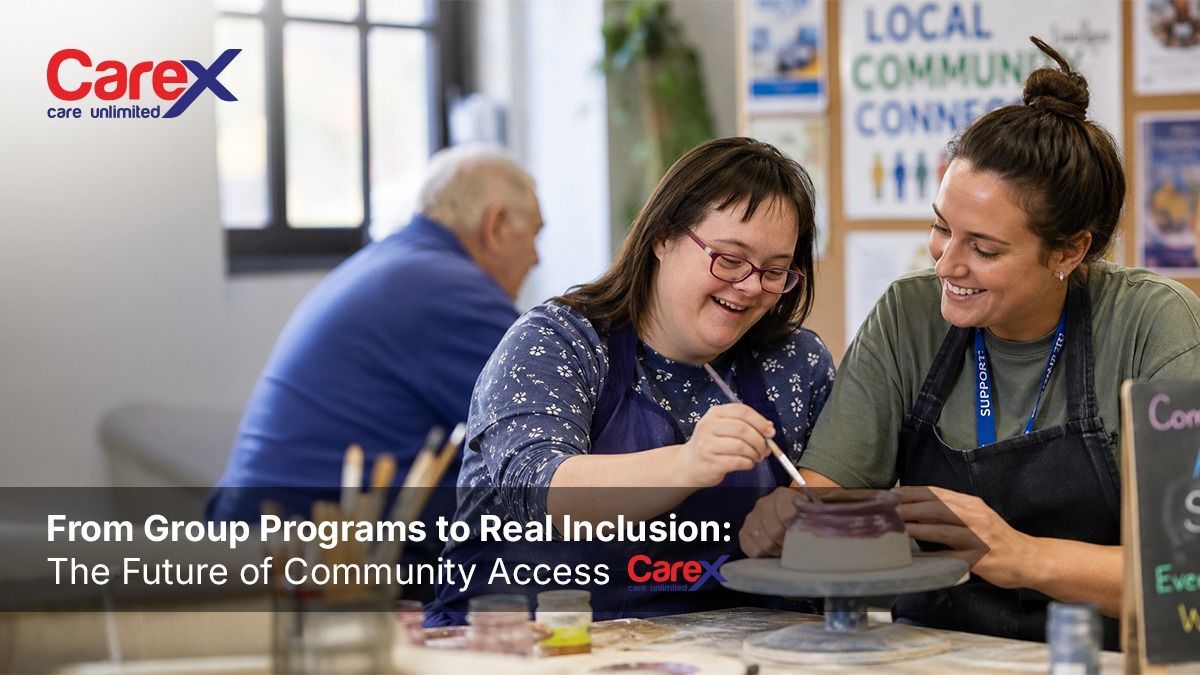
From Group Programs to Real Inclusion: The Future of Community Access
Introduction
Many people receiving disability support have spent years attending group programs that feel structured but not always meaningful. While these programs can offer routine and social interaction, they do not always reflect what real inclusion looks like in everyday life.
Families and participants are now asking a different question. How can community access support real independence, choice, and a genuine sense of belonging?
This shift is shaping how services like Community Participation in NSW are evolving, with organisations such as CareX Australia focusing more on personalised, goal-driven support.
Why Traditional Group Programs Are Changing
Group-based activities have long been a common approach in disability support. They can be helpful, especially for building confidence and initial social connections.
However, many participants are looking for more flexibility and purpose in how they spend their time. A one-size-fits-all model does not always reflect individual interests, cultural backgrounds, or personal goals.
People want to be part of their community, not just attend a program within it.
What Real Inclusion Looks Like Today
Real inclusion goes beyond scheduled outings or group activities. It is about being able to make choices and participate in everyday life in ways that feel meaningful.
This might include:
- Joining a local club or hobby group
- Volunteering in the community
- Attending events or workshops based on personal interests
- Building friendships outside of structured programs
- Learning new skills that support independence
The focus shifts from simply “being present” to truly belonging.
How Community Participation Supports Independence in NSW
Community Participation in NSW is now more focused on helping individuals live life on their own terms. Instead of fitting into pre-designed programs, supports are shaped around each person’s goals.
This approach encourages:
- Decision-making and personal choice
- Skill development in real-world environments
- Greater confidence in social situations
- Stronger connections within the community
With the right support, everyday activities become opportunities for growth and independence.
When Is the Right Time to Move Beyond Group Programs
Families often wonder when to transition from group programs to more personalised support. There is no single answer, but some common signs include:
- The participant shows interest in specific activities outside the program
- They express a desire for more independence
- Group settings feel limiting or repetitive
- Personal goals are not being fully supported
A gradual transition can help build confidence while exploring new opportunities.
The Role of Personalised Support
Personalised support plays a key role in making community inclusion meaningful. This is where services such as In-Home Support, Support Coordination, and Individualised Living Options (ILO) can work together to create a well-rounded plan.
Support workers can assist participants to:
- Explore interests and set achievable goals
- Navigate community spaces safely
- Build everyday life skills
- Develop routines that support independence
This tailored approach ensures that support adapts as the individual grows.
Key Benefits of Moving Towards Real Inclusion
Focusing on real inclusion can have a lasting impact on a person’s life.
Some of the key benefits include:
- Increased independence and confidence
- Stronger sense of identity and purpose
- More meaningful social connections
- Improved emotional wellbeing
- Greater control over daily life
These outcomes go beyond participation. They support a better quality of life.
How CareX Australia Supports Community Inclusion
CareX Australia understands that true inclusion is personal. No two individuals have the same goals, and support should reflect that.
Through Community Participation, Supported Independent Living (SIL), and Psychosocial Support, CareX Australia helps participants take meaningful steps towards independence.
Support is designed to:
- Respect individual choices and preferences
- Encourage participation in real community settings
- Build confidence at a comfortable pace
- Align with each person’s NDIS goals
This approach creates opportunities for genuine connection and long-term growth.
Final Thoughts
The future of community access is moving away from rigid group programs towards personalised, meaningful inclusion.
For many participants and families, this shift opens the door to greater independence, stronger connections, and a more fulfilling daily life. With the right support, community participation in NSW can become more than an activity. It becomes a pathway to belonging.
FAQS
What is Community Participation in NSW?
Community Participation in NSW supports people with disabilities to engage in social, recreational, and everyday activities that align with their personal goals and interests.
How is real inclusion different from group programs?
Real inclusion focuses on individual choice and meaningful participation, rather than structured group activities that may not reflect personal interests.
Can Community Participation help build independence?
Yes. It supports skill development, confidence, and decision-making in real-life settings, helping individuals become more independent.
Is Community Participation suitable for everyone?
It can be tailored to suit different needs, preferences, and goals, making it a flexible option for many participants.
How does CareX Australia support community inclusion?
CareX Australia provides personalised support through services like Community Participation, SIL, and Support Coordination to help individuals achieve their goals and connect with their community.
Disclaimer
This content is for general informational purposes only. It does not replace professional advice or individual assessments. For personalised support, please contact CareX Australia or speak with a qualified professional.