BLOG
Understanding Respite Care and When It’s Needed (NDIS Guide for Participants & Carers)

What Is Respite Care Under the NDIS?
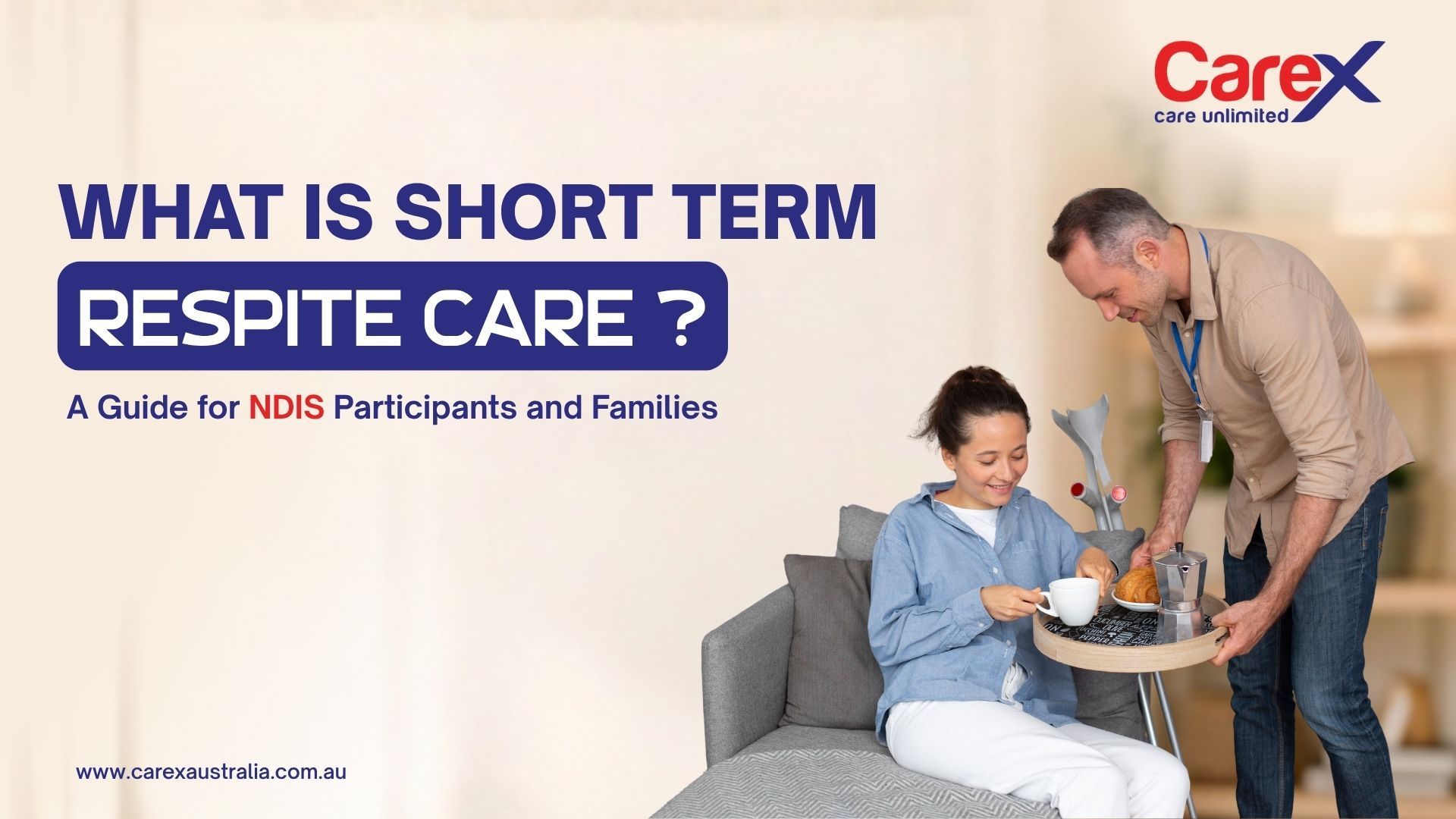
NDIS respite care is short-term support that allows participants to stay somewhere temporarily while their usual carers take a break.
Under the NDIS, respite is funded as Short Term Accommodation (STA). It may include:
- Accommodation
- Personal care support
- Meals
- Community participation
- 24/7 assistance if required
You can learn more about STA on the official NDIS website:
👉
https://www.ndis.gov.au/
Respite is designed to support both:
- The participant’s wellbeing
- The sustainability of informal supports (such as family carers)
Why Respite Care Matters for Carers
Caring for someone with disability can be deeply meaningful — but it also requires time, energy, and emotional commitment.
Many carers provide support for 20+ hours per week while also managing work, family, and personal responsibilities.
Without regular breaks, carers may experience:
- Ongoing fatigue
- Stress or emotional burnout
- Reduced patience or empathy
- Social isolation
- Difficulty maintaining employment
Respite care allows carers to:
- Rest and recover
- Attend appointments
- Focus on their own wellbeing
- Spend time with family or friends
- Plan holidays or short breaks
Taking a break is not a failure — it is part of sustainable, long-term care.
What Types of Respite Are Available Through the NDIS?
1. In-Home Respite Support
A support worker comes to the participant’s home while the carer takes time away.
Suitable for:
- Participants who prefer familiar surroundings
- Short planned breaks
- Evening or weekend relief
2. Centre-Based or Community Respite
Participants attend a structured program or support centre for the day.
This may include:
- Group activities
- Skill-building sessions
- Social connection opportunities
This option supports both independence and social participation goals.
3. Short Term Accommodation (Overnight or Weekend)
Participants stay in a supported environment for a few days or weeks.
STA can:
- Build independent living skills
- Increase social confidence
- Provide a structured break for carers
- Support emergency situations
Under the NDIS, up to 28 days per year may be funded (depending on individual plans and goals).
4. Emergency Respite
In unexpected circumstances (such as illness or urgent situations), short-term support may be arranged quickly.
Support coordinators can assist with urgent arrangements.
How Do I Know If It’s Time to Consider Respite?
Carers often delay seeking help. However, early support can prevent burnout.
Signs it may be time for respite include:
- Feeling exhausted despite sleeping
- Increased irritability or emotional overwhelm
- Losing time for hobbies or social connection
- Struggling to balance work and caring
- Feeling isolated or unsupported
If you notice these signs, respite may help restore balance.
Who Is Eligible for NDIS Respite Care?
To access NDIS-funded respite:
- The participant must have an approved NDIS plan.
- Short Term Accommodation must align with the participant’s goals.
- Funding is typically included under Core Supports.
Respite is not automatically included in every plan. It must be considered reasonable and necessary under NDIS criteria.
For official eligibility information, visit:
👉 https://www.ndis.gov.au/about-us/operational-guidelines
How to Access NDIS Respite Services
- Review the participant’s NDIS plan.
- Check for Core Supports funding.
- Speak with your Support Coordinator (if applicable).
- Contact a registered provider such as CareX Australia.
- Discuss goals, support needs, and preferred dates.
If respite is not currently included, it can be discussed at the next plan review.
You may also explore our broader disability services on the
👉
CareX Australia homepage
Supporting Carers Beyond Respite
Respite is only one part of carer wellbeing.
Carers may also benefit from:
- Peer support groups
- Carer Gateway support services
- Education about disability support strategies
- Counselling or emotional wellbeing services
Sustainable support ensures participants continue receiving high-quality, consistent care.
Frequently Asked Questions (FAQs)
1. What is the difference between respite and Short Term Accommodation (STA)?
Under the NDIS, respite is funded as Short Term Accommodation (STA). STA includes accommodation, support, meals, and activities for a short period.
2. How many days of respite does the NDIS fund?
The NDIS may fund up to 28 days per year of Short Term Accommodation, depending on individual needs and plan approvals.
3. Can respite help build independence skills?
Yes. STA can support social participation, daily living skills, and confidence in different environments, depending on the participant’s goals.
4. Is respite only for emergencies?
No. Respite can be planned in advance or arranged in urgent situations. Planned breaks are encouraged to support carer wellbeing.
5. Does respite replace permanent accommodation?
No. Respite (STA) is short-term. It does not replace Supported Independent Living (SIL) or other long-term housing supports.
6. How do I arrange NDIS respite care?
You can speak with your Support Coordinator or contact a registered NDIS provider like CareX Australia to discuss availability and suitability.